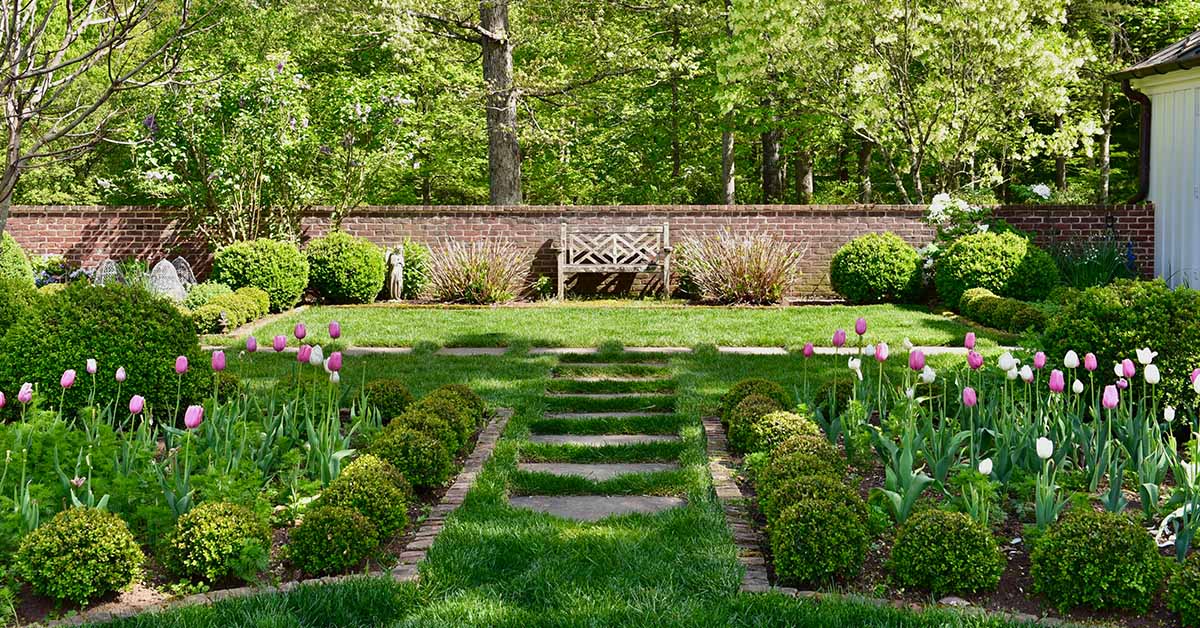
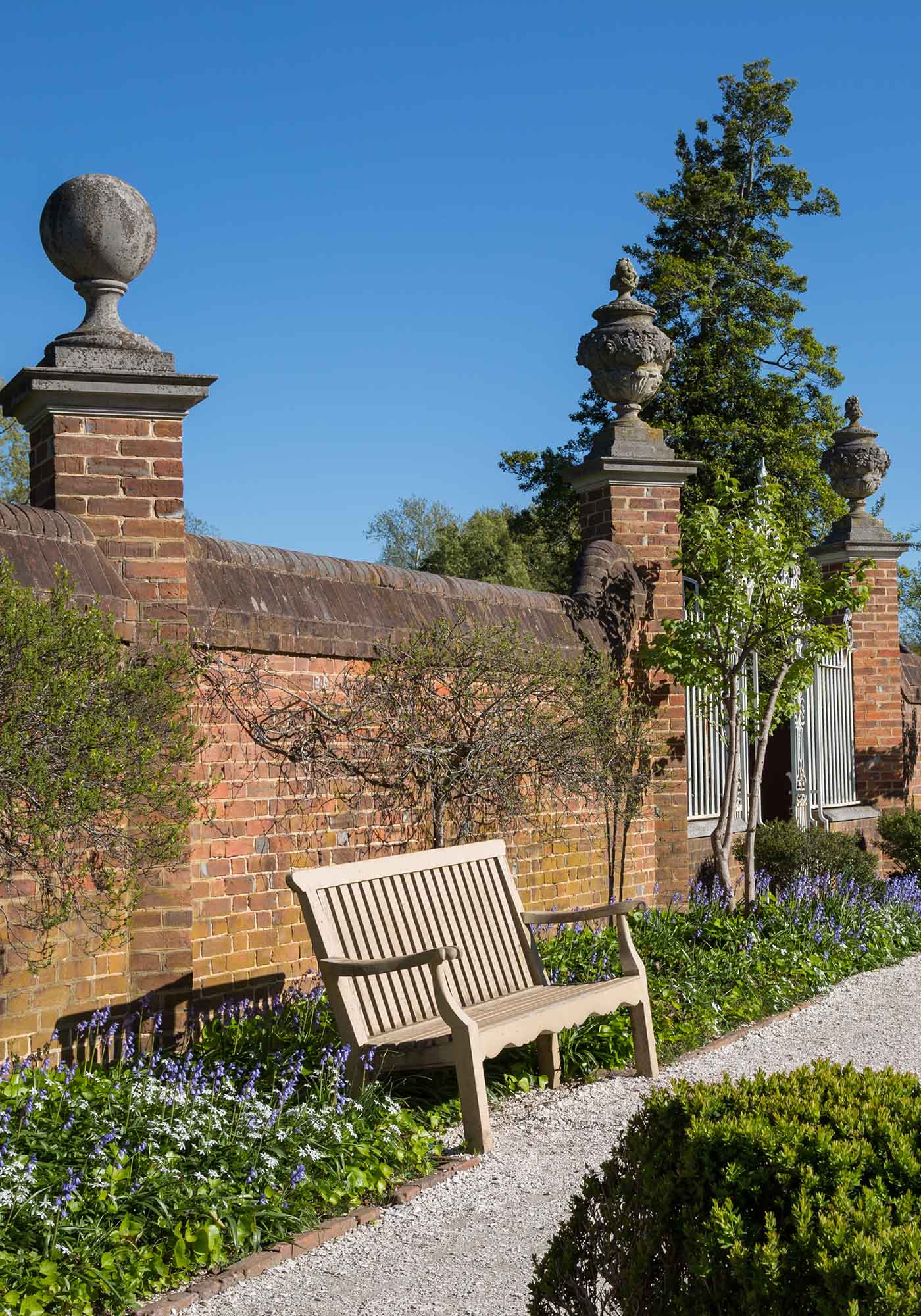
Each spring, the Garden Club of Virginia (GCV) hosts Historic Garden Week (HGW), Virginia’s most celebrated garden and heritage event. In 2026, nearly 50 member clubs across the state will open the doors to private historic homes, gardens and landscapes, offering visitors a rare opportunity to explore properties that are usually closed to the public.
Explore Virginia’s Historic Homes and Gardens During Historic Garden Week 2026
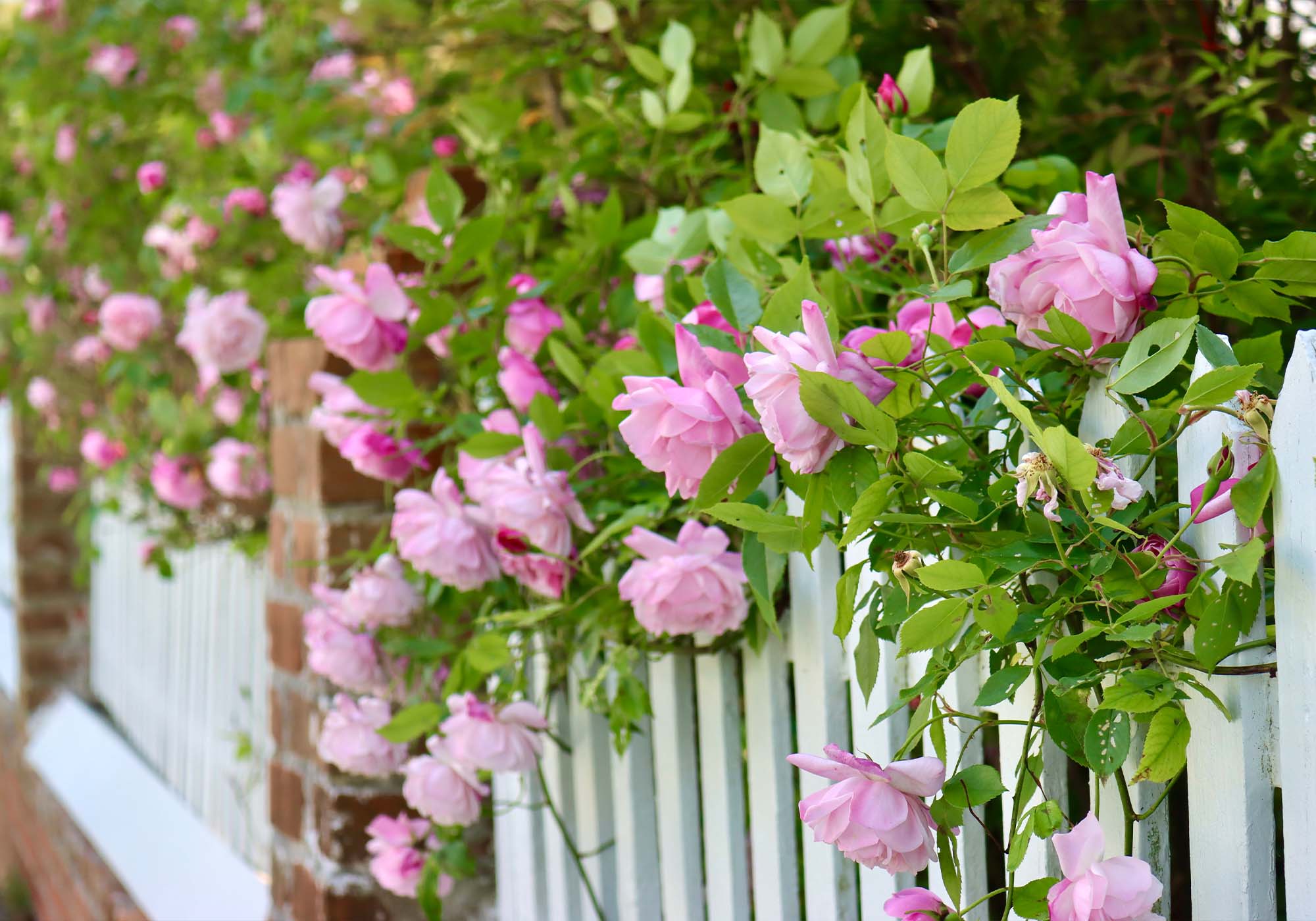
Tour participants can admire beautifully restored homes, vibrant seasonal gardens, and stunning floral designs crafted by Garden Club members. From elegant townhouses to sprawling country estates, Historic Garden Week showcases the best of Virginia’s architectural and horticultural heritage.
Proceeds from the event support the Garden Club of Virginia’s ongoing efforts to preserve and restore historic gardens across the Commonwealth. Founded in 1929, Historic Garden Week continues to earn its reputation as “America’s Largest Open House,” drawing thousands of visitors each year to experience Virginia’s gardens and historic homes at their peak.
Regional Garden Clubs of Virginia
North | South | East | West | Central
2026 Historic Garden Week Tour Schedule
North
- Old Town Alexandria
East
- Gloucester-Mathews
- Portsmouth
West
- Orange
- Staunton
Central
- Ashland
North
- Leesburg
West
- Albemarle-Charlottesville
Central
- Historic Berkeley, Shirley & Westover
North
- Leesburg
West
- Morven
Central
- Historic Berkeley, Shirley & Westover
North
- Fairfax County
East
- Williamsburg
West
- Lynchburg
Central
- Petersburg
- Fredricksburg
- Richmond: South Gaskins
South
- Martinsville
East
- Hampton-Newport News
- Virginia Beach
West
- Harrisonburg
Central
- Northern Neck
- Richmond: Church Hill
North
- Little Oak Spring
South
- Danville-Chatham
East
- Norfolk
Central
- Richmond: Westhampton
North
- Little Oak Spring
East
- Middle Peninsula-King and Queen County
Central
- Virginia Executive Mansion and the Kent-Valentine House (GCV Restoration Sites open to the public)
North
- Winchester
South
- Roanoke
- Lake Gaston
East
- Eastern Shore
Historic Garden Week 2026 Tours in Northern Virginia
Old Town Alexandria
Set along the Potomac River, Old Town Alexandria blends cobblestone charm with a colonial past shaped by trade and early American life. Once a bustling port, its wharves carried tobacco and goods to Europe, anchoring it firmly in the Atlantic world. George Washington himself frequented the town, conducting business and social affairs just steps from the waterfront. Brick-lined streets and preserved townhouses still echo the rhythms of 18th-century commerce and conversation. It is known for its colonial port heritage, historic architecture and ties to George Washington. The walking tour of Old Town Alexandria in 2026 includes private homes and gardens, as well as admission to George Washington’s Mount Vernon.
Leesburg
In the heart of Loudoun County, Leesburg reflects centuries of civic life, from its colonial beginnings to its role during the Civil War. During the conflict, armies repeatedly seized control of the town, leaving behind a landscape marked by encampments and strategy. Its courthouse square has long served as a gathering place for political life and public discourse. Surrounding farmland speaks to the region’s enduring agricultural traditions. Highlights include Civil War history, historic downtown charm and equestrian culture. The Leesburg tour includes George C. Marshall’s historic home, Dodona Manor.
Fairfax County
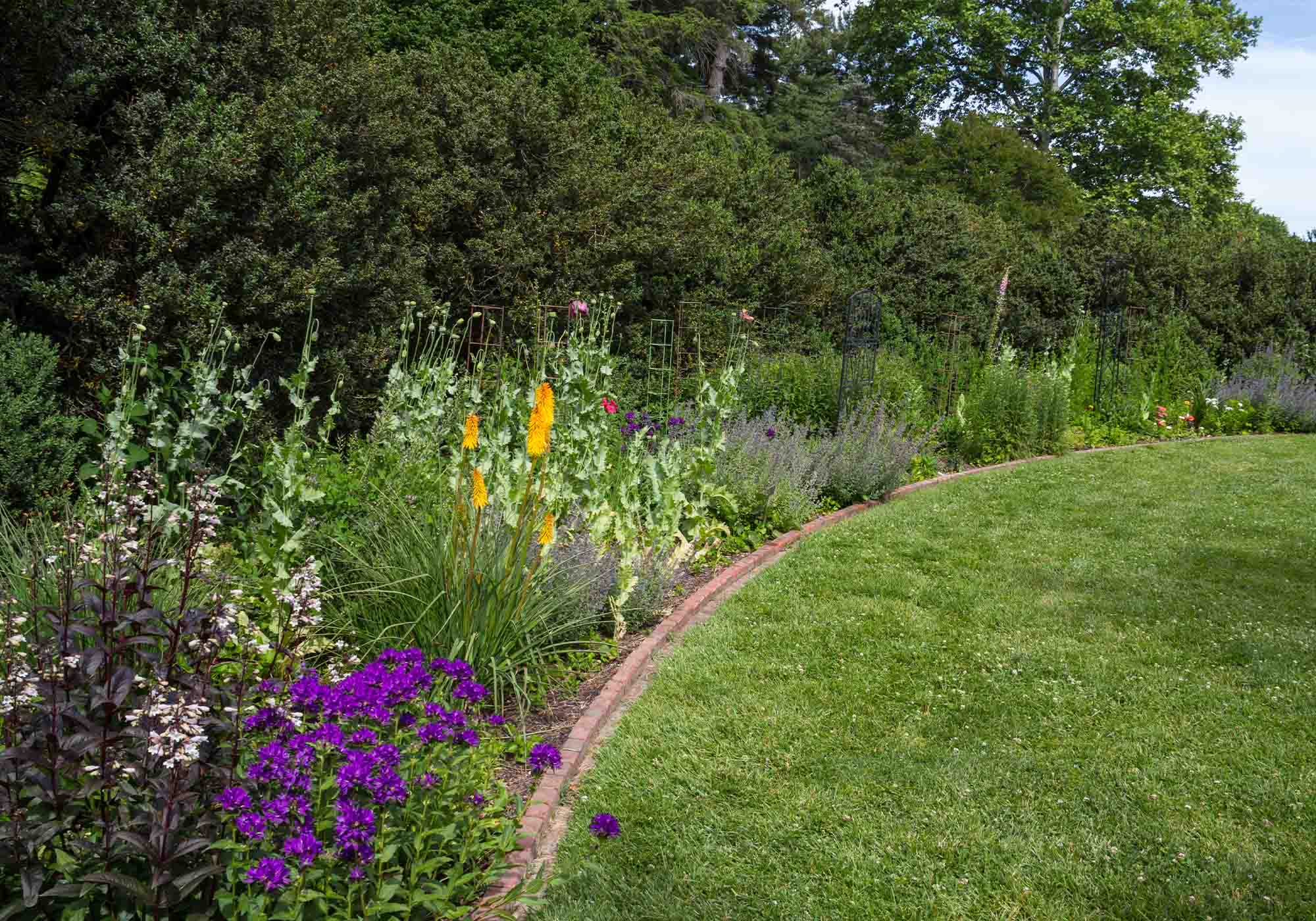
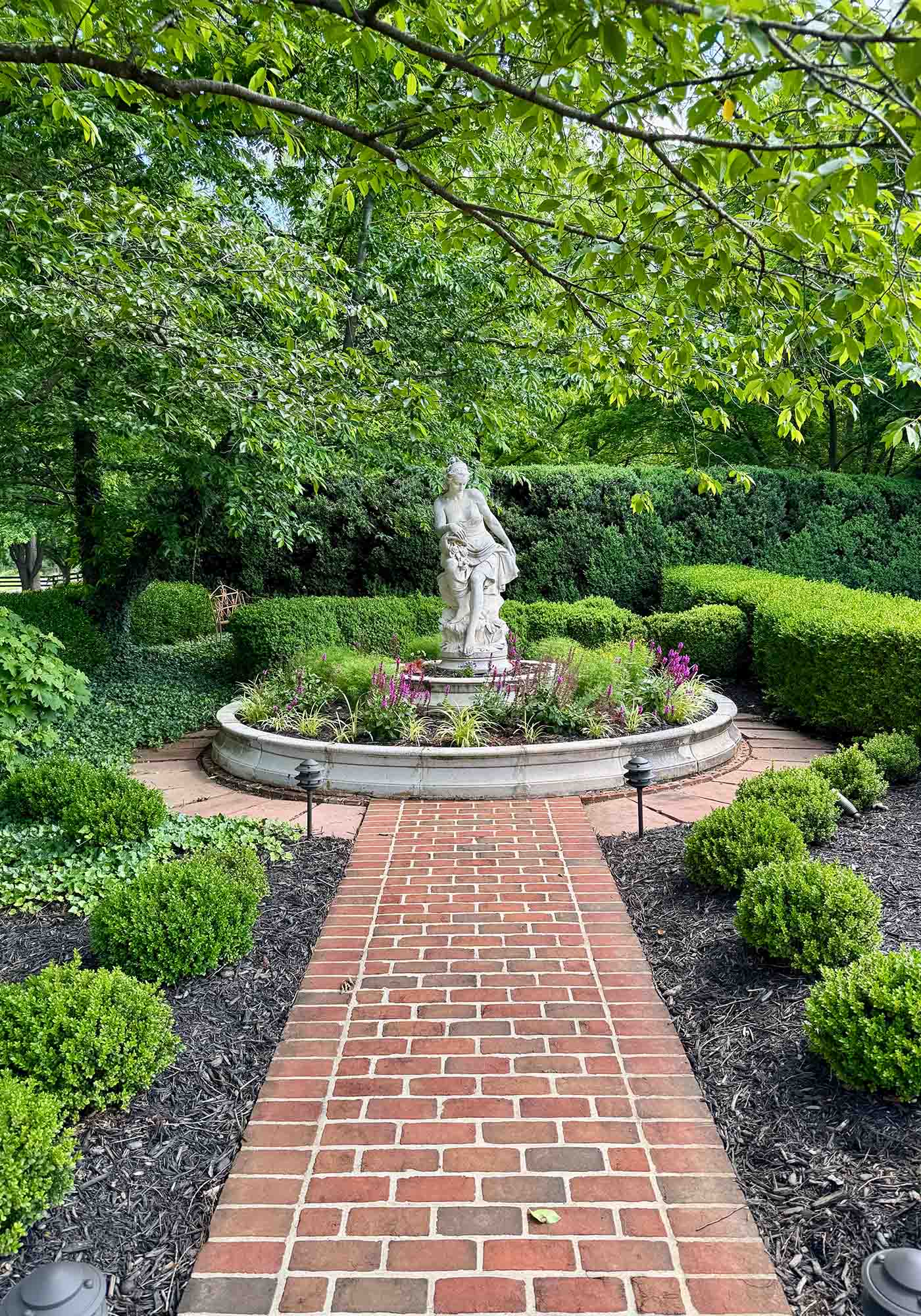
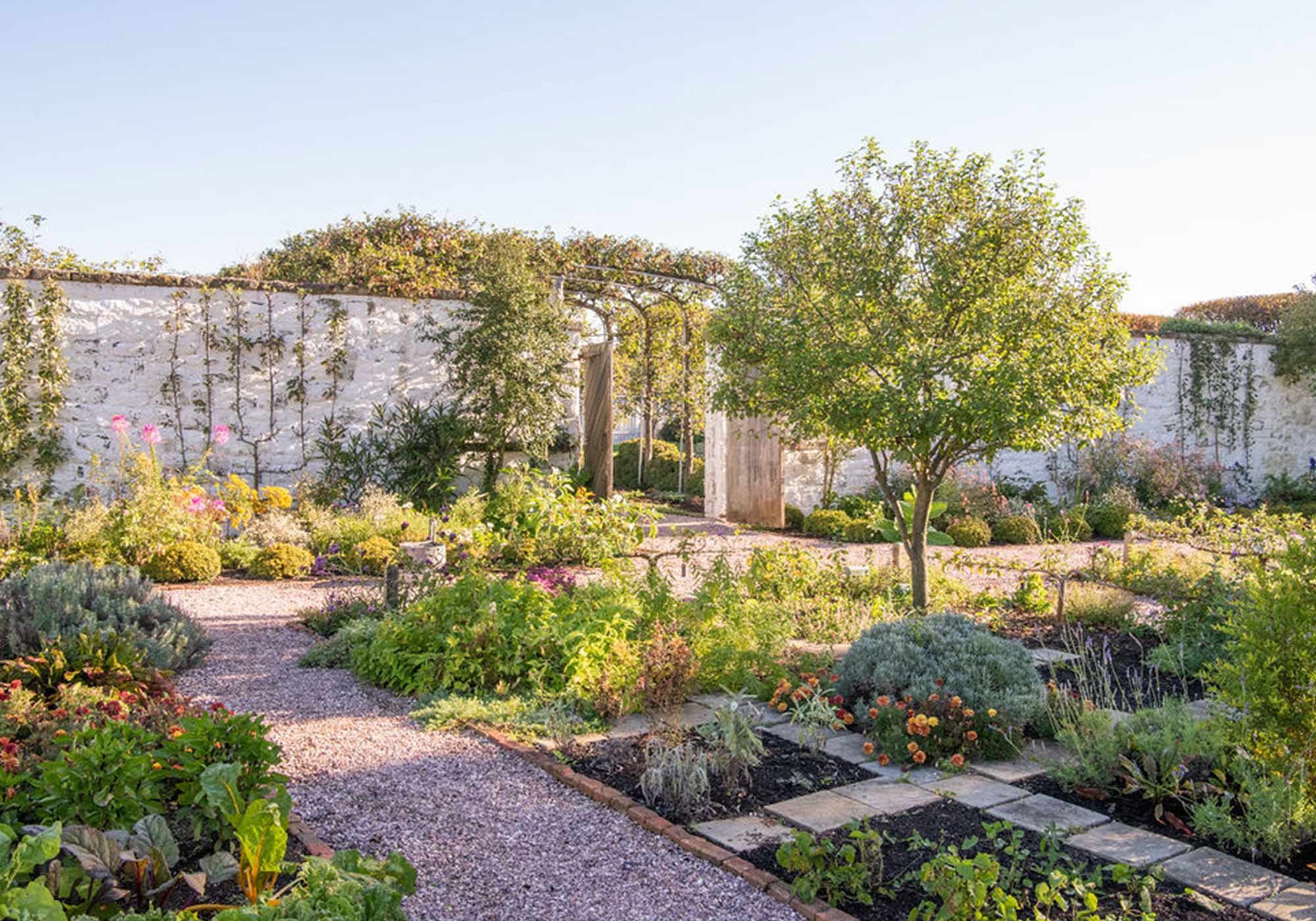
2026 marks the centennial anniversary of the Garden Club of Fairfax! They are celebrating by opening three historic homes, including a zen garden, century-old boxwoods and antique furniture. Fairfax County pairs early American roots with its evolution alongside the nation’s capital. Once home to sprawling colonial estates, it played a quiet but important role in the years leading up to the American Revolution. George Washington’s Mount Vernon stands as a reminder of the area’s deep ties to the founding generation. Over time, the county transformed as Washington, D.C., expanded, bringing new influence and growth. The area is known for colonial heritage, proximity to Washington and its role in early governance. It also houses Langley, the headquarters of the CIA.
Little Oak Spring
Little Oak Spring is a historic estate that was once part of Rokeby Farm, the home of philanthropists Paul and Rachel “Bunny” Mellon. Designed by architect H. Page Cross, the property showcases Bunny Mellon’s refined aesthetic through whitewashed stone buildings, terraced grounds, a formal greenhouse and a peaceful walled garden. The Broodmare Barn also stands on the estate, where Mellon bred Sea Hero, a Kentucky Derby champion. Today, Little Oak Spring provides a rare glimpse into the legacy of American garden design.
Winchester
At the north end of the Shenandoah Valley, Winchester has long stood at the crossroads of commerce and conflict. Its strategic location made it one of the most contested towns during the Civil War, changing hands dozens of times. Long before that, it served as a key trading post on the colonial frontier. The surrounding orchards helped establish its reputation as the “Apple Capital.” It’s recognized for Civil War history, apple orchards and early settlement. On your visit to Winchester, stop by Belle Grove Plantation and Blandy Experimental Farm, both substantial Garden Club of Virginia restoration projects.
Historic Garden Week 2026 Tours in Southern Virginia
Martinsville
Martinsville’s story is rooted in industry, where textiles and furniture once drove its economy and identity. In the early 20th century, its mills and factories brought prosperity and shaped daily life. As industries shifted, the city adapted, reflecting broader changes across the South. Today, traces of that industrial past remain visible in its architecture and culture. It is known for its industrial heritage, NASCAR racing and textile production. The Martinsville tour includes a flower-arranging workshop at their headquarters, the MHC Heritage Museum, a Garden Club of Virginia Restoration Site.
Danville-Chatham
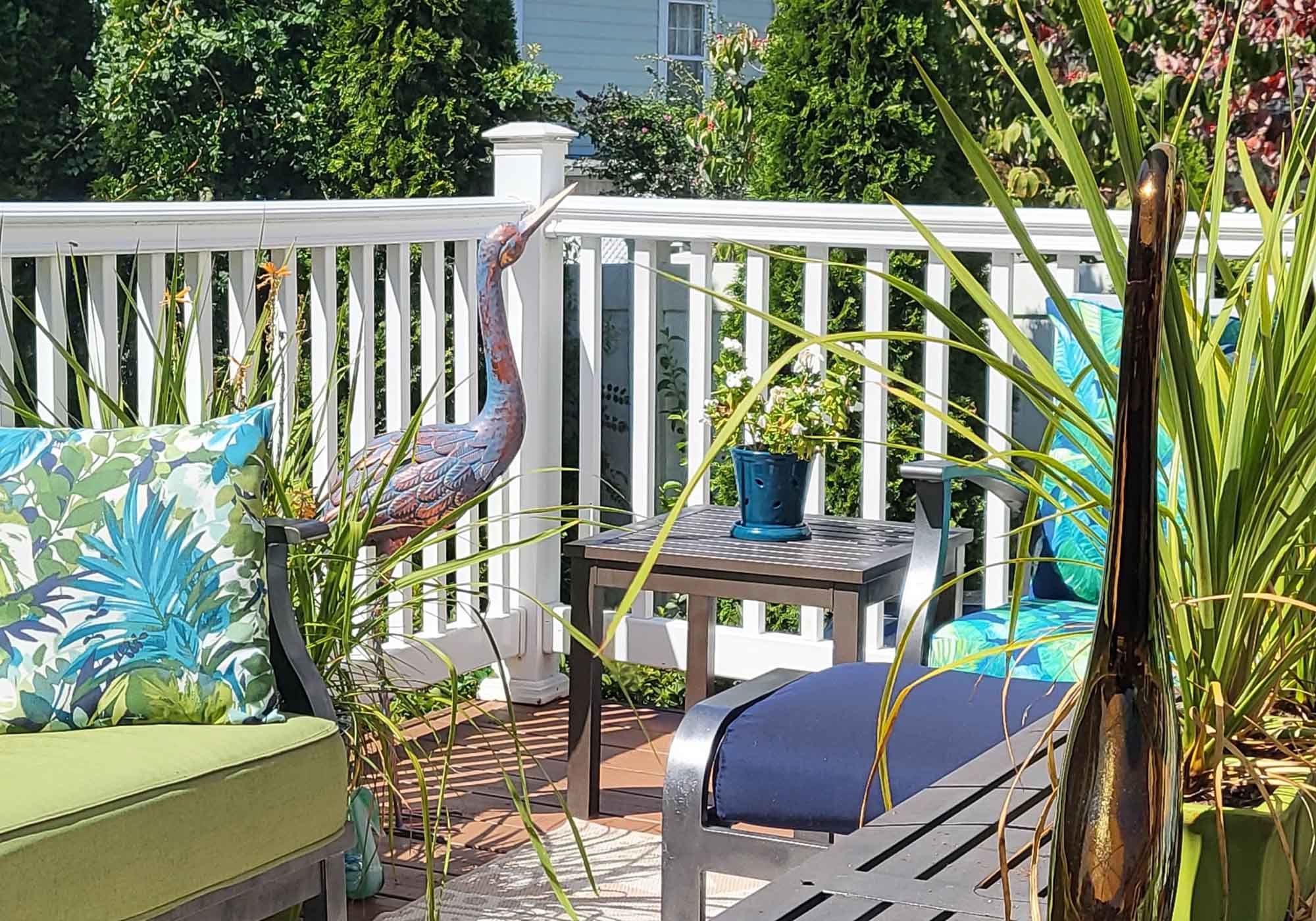
Danville and nearby Chatham carry the weight of Civil War history, with Danville briefly serving as the Confederacy’s final capital. In the war’s closing days, Jefferson Davis and his cabinet gathered there as Richmond fell. The region’s wealth had long been tied to tobacco, which fueled both its economy and its influence. Historic homes and warehouses still reflect that prosperity. The area is known for Confederate history, tobacco and preserved architecture.
Lake Gaston
Lake Gaston offers a quieter chapter in Virginia’s story, where a modern reservoir meets a landscape shaped by generations of farming. Created in the mid-20th century by Dominion Energy, the lake transformed rural land into a destination for leisure and retreat. Beneath its waters lie traces of earlier communities and farmland. Today, it balances recreation with a sense of place rooted in the past. It’s recognized for recreation, hydroelectric power and scenic retreats.
Roanoke-Salem
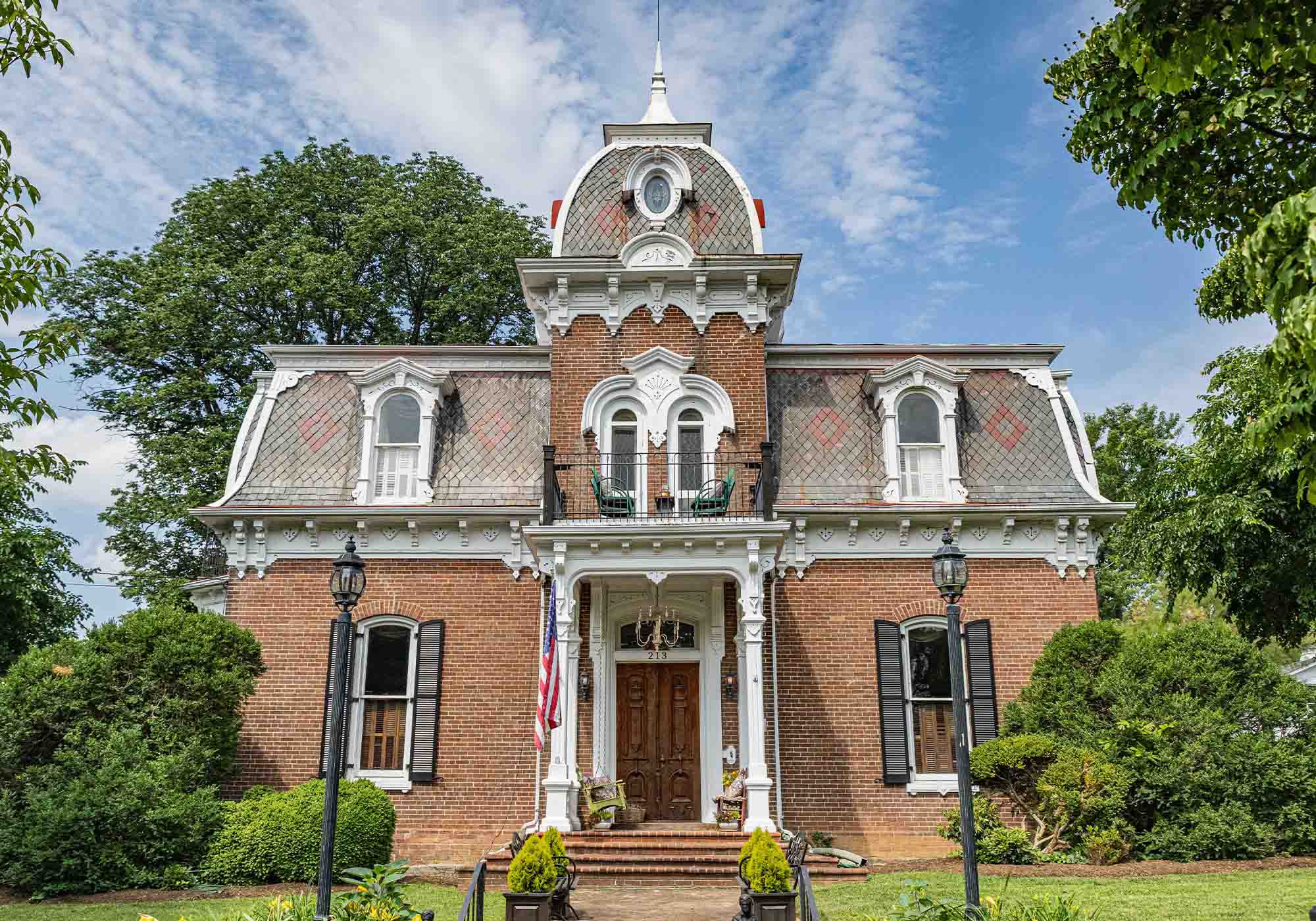
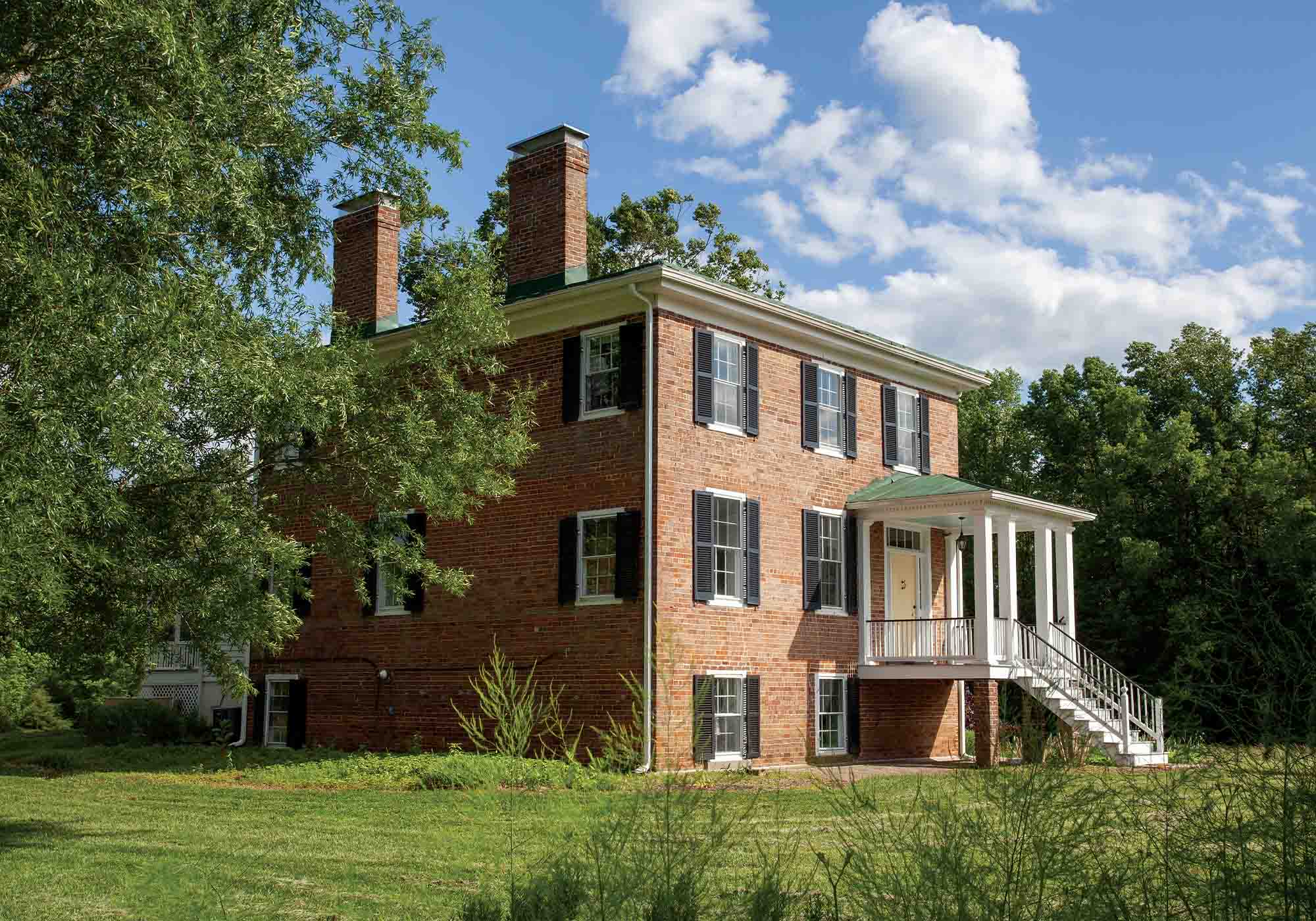
Roanoke rose with the railroads, transforming into a gateway between the mountains and the nation beyond. Known as the “Magic City,” its rapid growth in the late 19th century was fueled by the Norfolk and Western Railway. Neighboring Salem offers a gentler rhythm, with roots that predate the railroad boom. Together, they tell a story of innovation and tradition side by side. Highlights include railroad history, mountain views and industrial growth. The 2026 Salem tour includes National Historic Landmark the Evans-Webber house (pictured above), a unique Second Empire-style brick house built in 1882.
Historic Garden Week 2026 Tours on the Eastern Shore of Virginia
Gloucester-Mathews & Portsmouth
Along the Chesapeake Bay, Gloucester and Mathews reflect Virginia’s maritime and agricultural heritage. Colonial plantations once lined the waterways, supported by fishing and trade. During the Revolutionary War, nearby waters played a role in the decisive Battle of Yorktown. Watermen continue traditions that stretch back generations. It is known for colonial history, seafood and coastal life. The tour includes Warner Hall, a historic riverside property originally owned by George Washington’s great-great-grandfather in the 1600s.
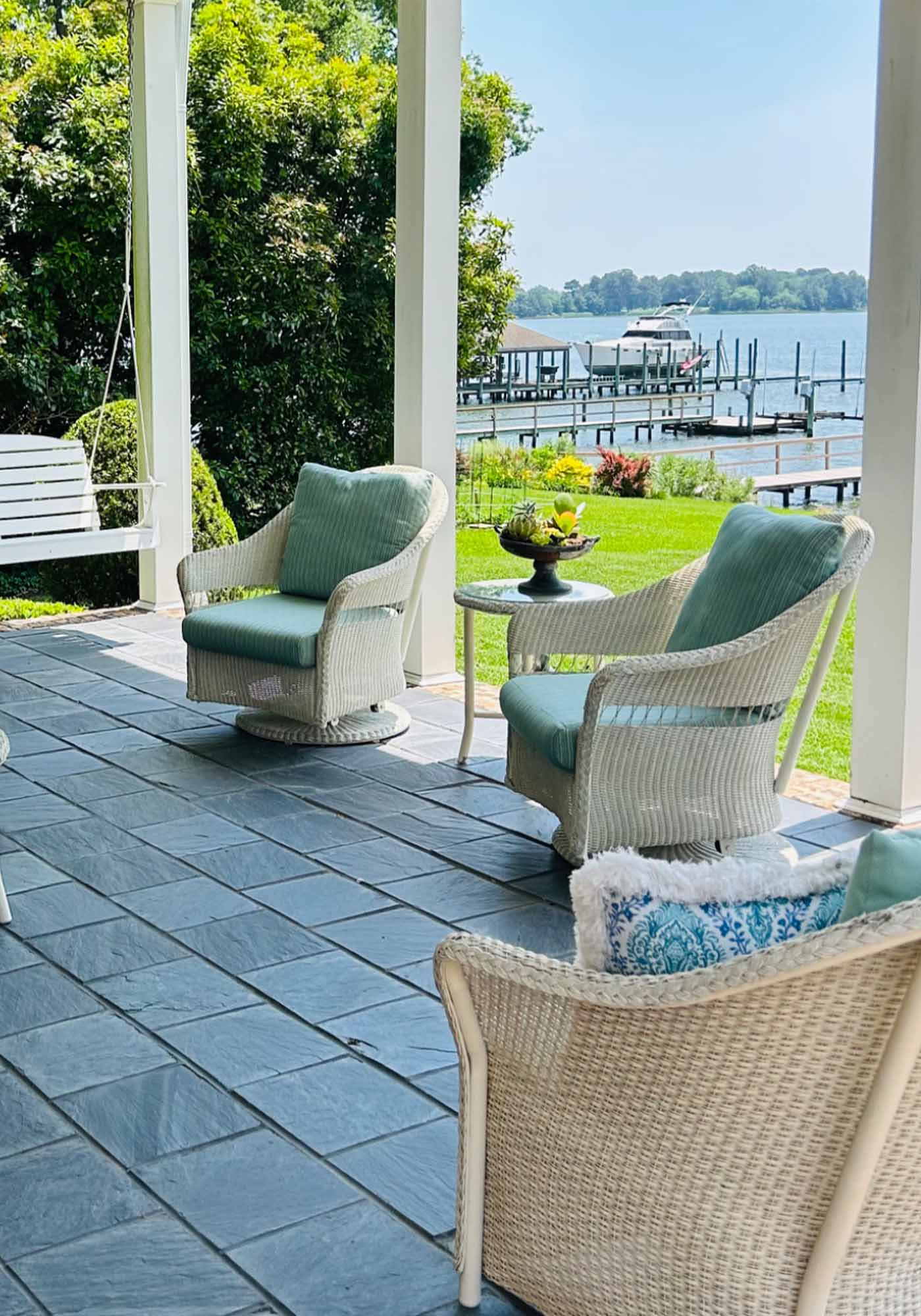
Portsmouth’s waterfront tells a story of shipbuilding and naval strength that spans generations. The Norfolk Naval Shipyard, originally established in the 18th century as Gosport Shipyard, became a cornerstone of American naval power and stands as the oldest continuously operating shipyard in the United States Navy. The Naval Medical Center in Portsmouth similarly traces back to 1827, which makes it one of the oldest operating military hospitals in the United States. The city played roles in both the American Revolution and the Civil War, reflecting its strategic importance. Historic homes and districts preserve that layered past. Highlights include naval shipyards, maritime heritage and a storied harbor. Visit the Naval Shipyard Museum in Olde Town for a thorough review of Virginia’s maritime history.
Williamsburg
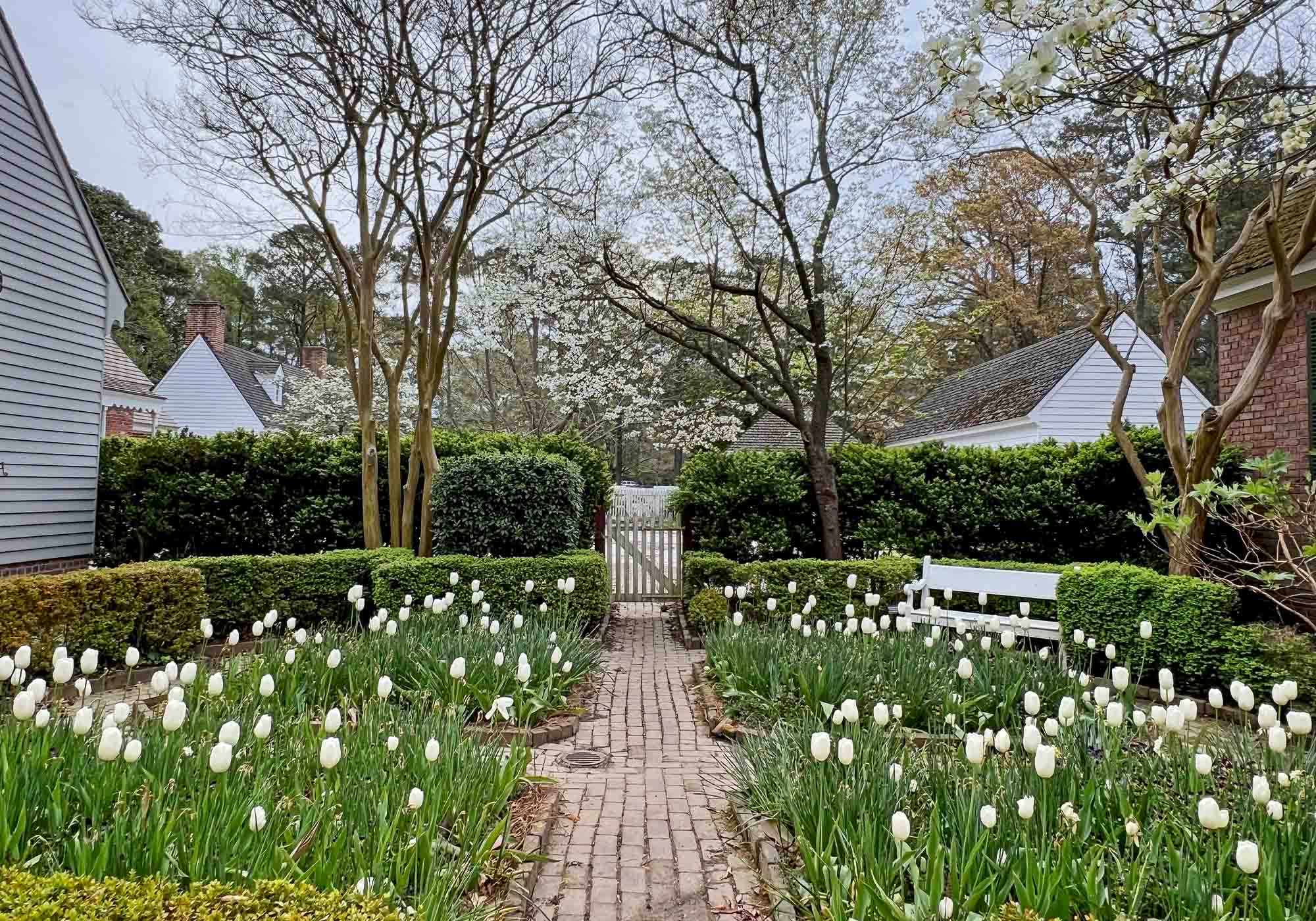
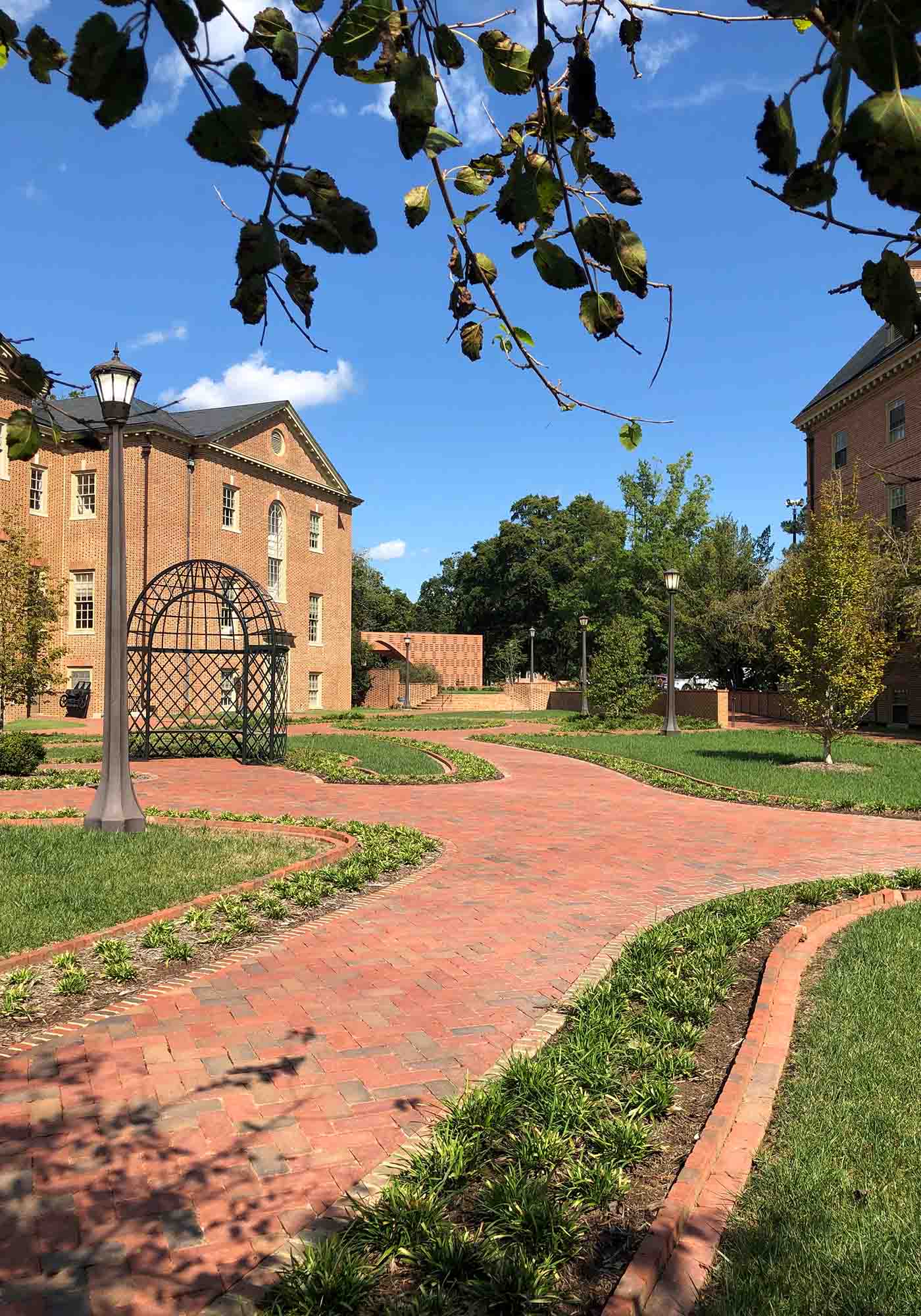
Williamsburg invites visitors into the heart of colonial Virginia, where ideas that shaped a nation once took hold. As the colony’s capital, it was a center of political debate and revolutionary thought. Figures such as Thomas Jefferson and Patrick Henry walked its streets. Today, its restoration offers an immersive glimpse into 18th-century life. It’s recognized for colonial history, living museums and early education. Visit Colonial Williamsburg on the 2026 Historic Garden Club tour for an immersive cultural and historical experience.
Hampton & Newport News
From one of America’s oldest English settlements to a center of shipbuilding, Hampton and Newport News reflect centuries of transformation. Hampton traces its origins to 1610, making it one of the nation’s earliest continuous settlements. Hampton is home to National Monument Fort Monroe, the largest stone fort ever built in the United States. Fort Monroe has pivotal ties to history, but perhaps the most famous is its status as an emancipation location early in the Civil War, earning it the nickname “Freedom’s Fortress.” Newport News rose later, driven by shipyards that built vessels for global conflict. Together, they embody both colonial endurance, civil freedom and modern industry.
Virginia Beach
Virginia Beach pairs its long shoreline with a legacy tied to early exploration and coastal life. English settlers first landed nearby at Cape Henry in 1607 before moving inland to Jamestown. Over time, the area evolved from quiet coastline to thriving resort destination. Its beaches continue to draw visitors while echoing those early arrivals. The area is known for beaches, tourism and military presence.
Norfolk
Norfolk—also known as the Mermaid City—has long stood as a cornerstone of American naval power, its harbor alive with commerce and defense. Established in the late 17th century, it quickly became an important port. The city was burned during the Revolutionary War, only to rebuild and grow stronger. Today, it is home to the world’s largest naval base. It is known for naval bases, port activity and coastal history.
Middle Peninsula: King and Queen County
This quiet region preserves the rhythms of early Virginia, where farmland and forests echo centuries of settlement. King and Queen County dates to the colonial era and remains one of the least changed landscapes in the state. Its courthouses and churches reflect early governance and parish life. The pace here feels much as it did generations ago. Highlights include colonial roots, agriculture and enduring landscapes.
Eastern Shore
Separated by the Chesapeake Bay, the Eastern Shore holds a distinct sense of place shaped by water and tradition. Early English settlers arrived in the 1600s, establishing farming and fishing communities that endure today. Its relative isolation helped preserve both culture and landscape. Barrier islands and waterways define daily life. It’s recognized for seafood, barrier islands and colonial heritage—and, of course, its famous oysters.
Historic Garden Week 2026 Tours in Western Virginia
Orange & Staunton
Orange County’s rolling countryside is steeped in presidential history and plantation life. It was home to James Madison, whose Montpelier estate remains a centerpiece of the region. The county also played a role in Civil War campaigns that swept through central Virginia. Its fields and forests reflect both conflict and cultivation. The area is known for historic estates, early American figures and rural beauty.
Staunton, known as the Queen City, blends cultural richness with a strong architectural legacy. It prospered as a transportation hub along the Valley Turnpike. The town later became known for its embrace of the arts, including the American Shakespeare Center. It is the birthplace of President Woodrow Wilson and home to his presidential library and museum. Staunton’s historic downtown remains remarkably intact. Visitors can explore Victorian and Masonic architecture, the arts and Civil War history.
Albemarle County
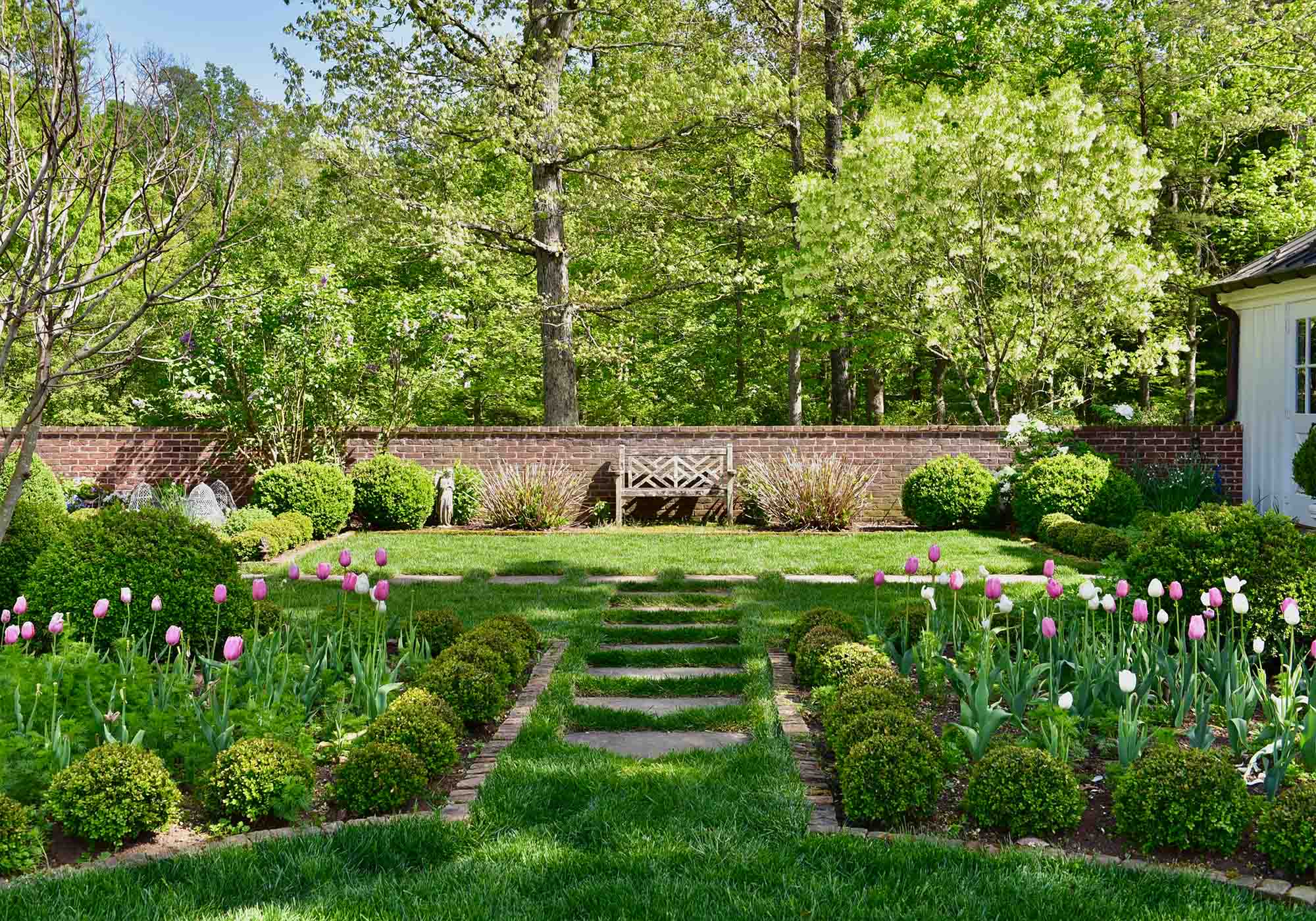
Albemarle County’s sweeping landscapes are deeply tied to Virginia’s early visionaries and agricultural roots. Thomas Jefferson’s Monticello stands as a symbol of both innovation and complexity. The region’s farms have gradually given way to a thriving wine industry. Its beauty has long inspired residents and visitors alike. It is known for presidential history, wine country and scenic countryside.
University of Virginia
Founded on Enlightenment ideals, the University of Virginia reflects a vision of education that endures today. Designed by Thomas Jefferson, its Academical Village reimagined the structure of higher learning. The university became a model for institutions across the country. Its Rotunda remains an architectural icon. It’s recognized for for Jeffersonian design, academic excellence and historic significance.
Lynchburg
Set along the James River, Lynchburg grew from a tobacco trading post into a center of industry and commerce. Founded by ferry operator John Lynch, it became a key crossing point. During the Civil War, it served as a supply hub for Confederate forces. Its hills and warehouses reflect that industrious past. The area is known for its tobacco history, manufacturing and river trade. The Lynchburg tour includes Thomas Jefferson’s Poplar Forest, a National Historic Landmark.
Harrisonburg
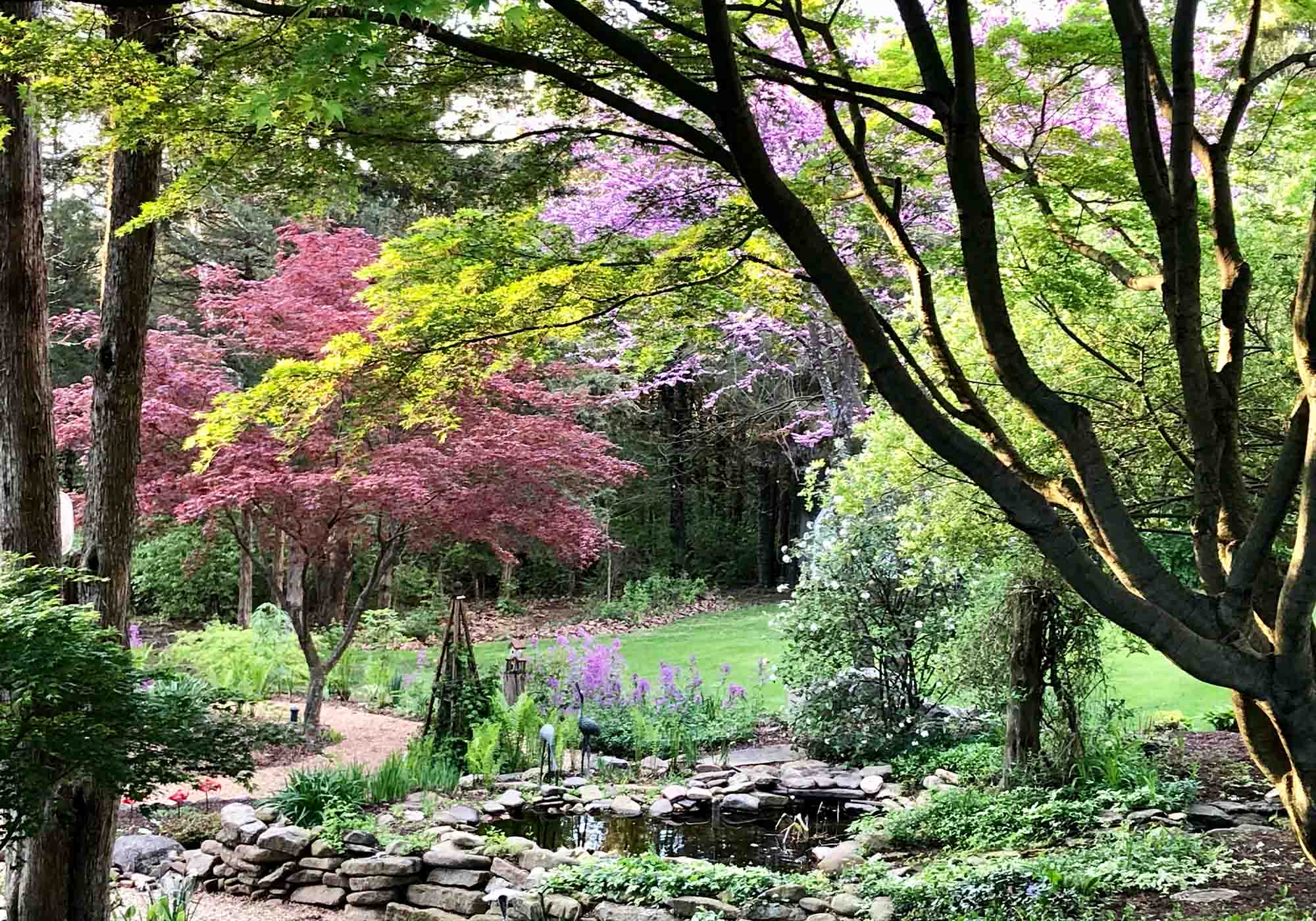
Harrisonburg’s roots as a frontier town evolved into a vibrant center of agriculture and education. It earned the nickname “The Friendly City” thanks to its strong community atmosphere. Established in the 18th century, Harrisonburg grew alongside the fertile Shenandoah Valley. The arrival of railroads and institutions of higher learning shaped its modern identity. Today, it balances history with youthful energy. It is known for farming, James Madison University and valley heritage.
Historic Garden Week 2026 Tours in Central Virginia
Ashland
Ashland, nicknamed the Center of the Universe because of its history as a railroad junction, has rail-lined streets reflecting its origins as a town built around the tracks. In the 19th century, trains ran directly through its center, connecting it to larger markets. Randolph-Macon College added an academic dimension to its growth. The town has retained its intimate, walkable feel. Highlights include rail heritage and community character.
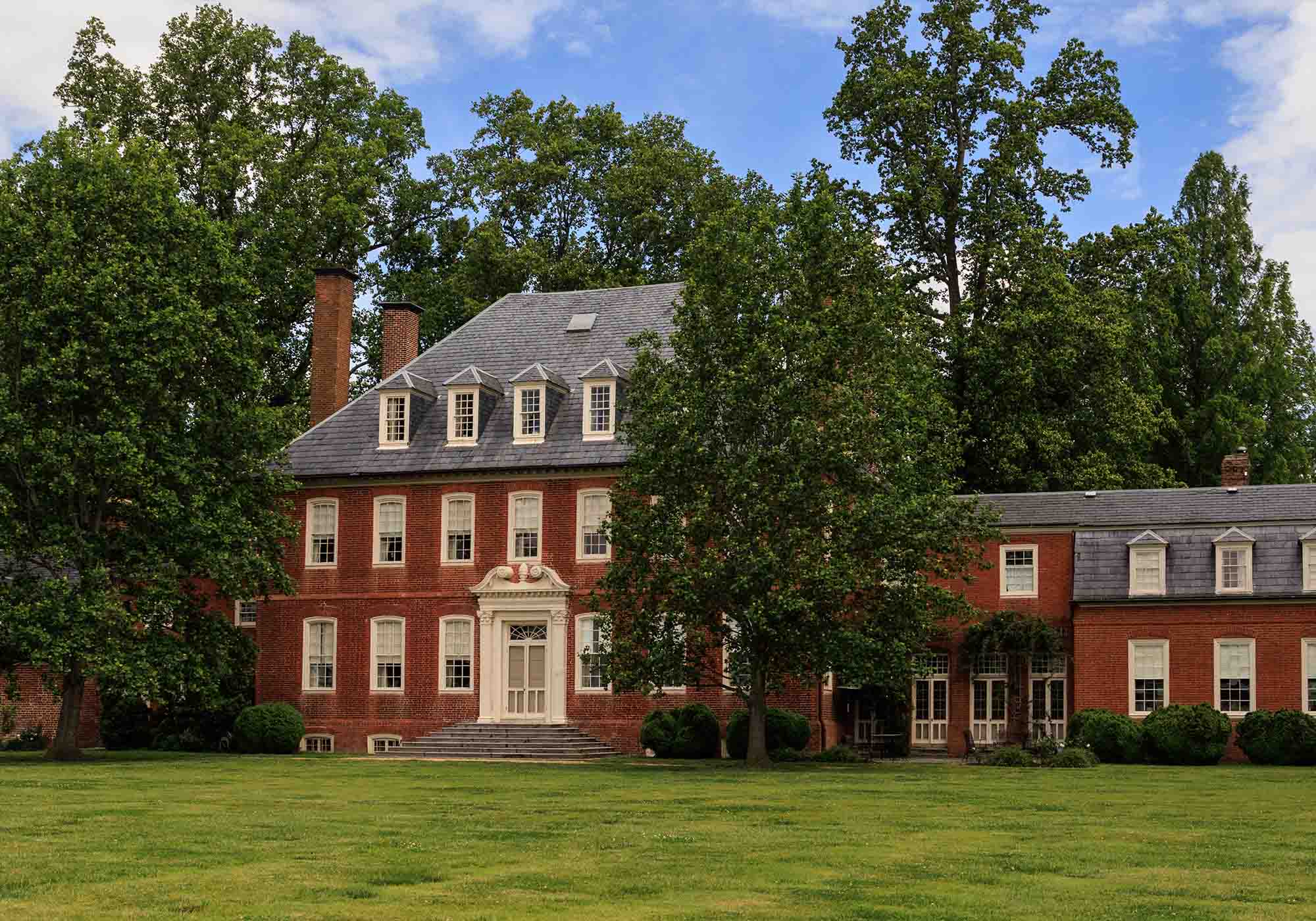
Historic Berkeley, Shirley & Westover
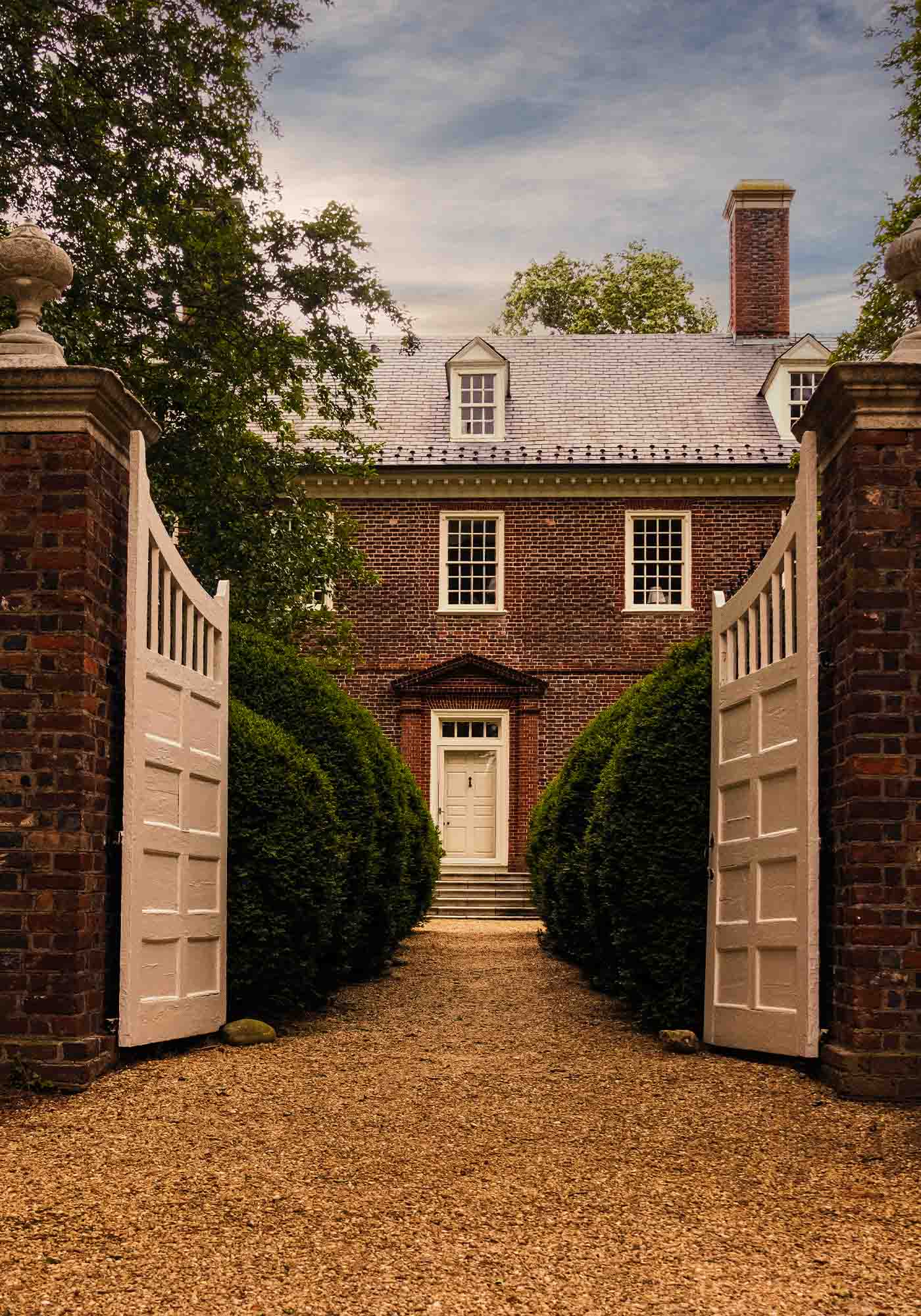
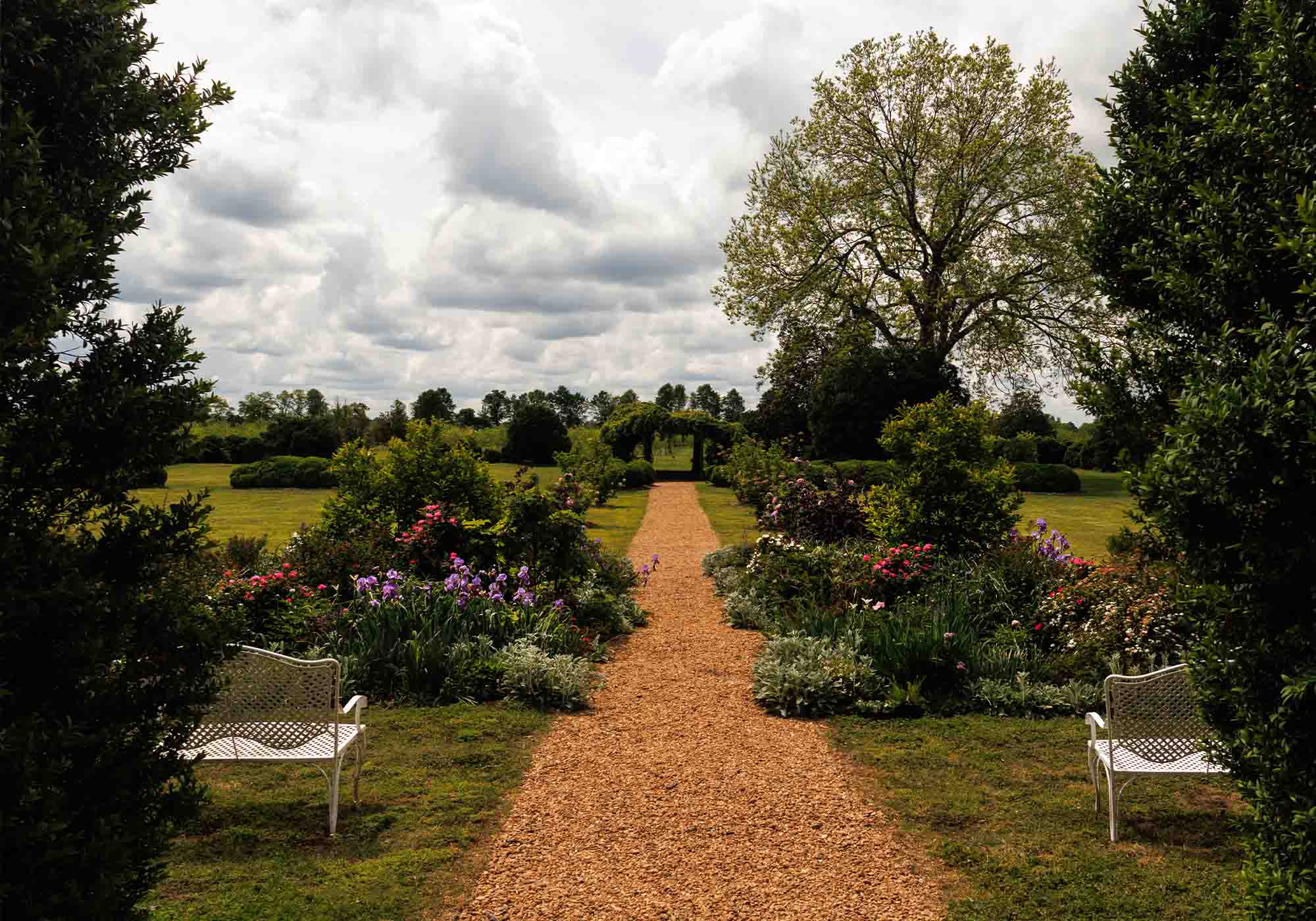
These storied plantations along the James River offer a glimpse into Virginia’s colonial past and enduring family legacies. Berkeley Plantation is known as the birthplace of Benjamin Harrison V and the site of early Thanksgiving observances. The same family has continuously inhabited Historic Shirley for generations and it stands as America’s oldest family-owned business. Westover stands as a masterpiece of Georgian architecture. They are known for their historic estates, colonial architecture and lineage. Each year these properties open their homes and meticulously maintained gardens during Historic Garden Week, sponsored by the Garden Club of Virginia.
Fredericksburg & Petersburg
Fredericksburg’s streets hold layers of history, from colonial trade to pivotal Civil War battles. It was home to Mary Washington, mother of George Washington. The surrounding area saw some of the war’s most intense fighting. Its preserved buildings offer a vivid sense of the past. It’s recognized for battlefields, historic districts and early commerce.
Petersburg’s significance rose during the Civil War, when a prolonged siege marked a turning point in the conflict. Before that, it thrived as a bustling center of trade along the Appomattox River. Its economy was closely tied to tobacco and transportation. The city’s historic districts reflect both prosperity and hardship. Highlights include Civil War history, tobacco and commerce.
Northern Neck
Bound by the Potomac and Rappahannock rivers, the Northern Neck is rich in colonial heritage and natural beauty. It is the birthplace of George Washington and home to generations of influential families. Plantations and small towns dot the landscape. Its waterways continue to shape life here. It is known for historic estates, presidential ties and waterfront views.
Richmond
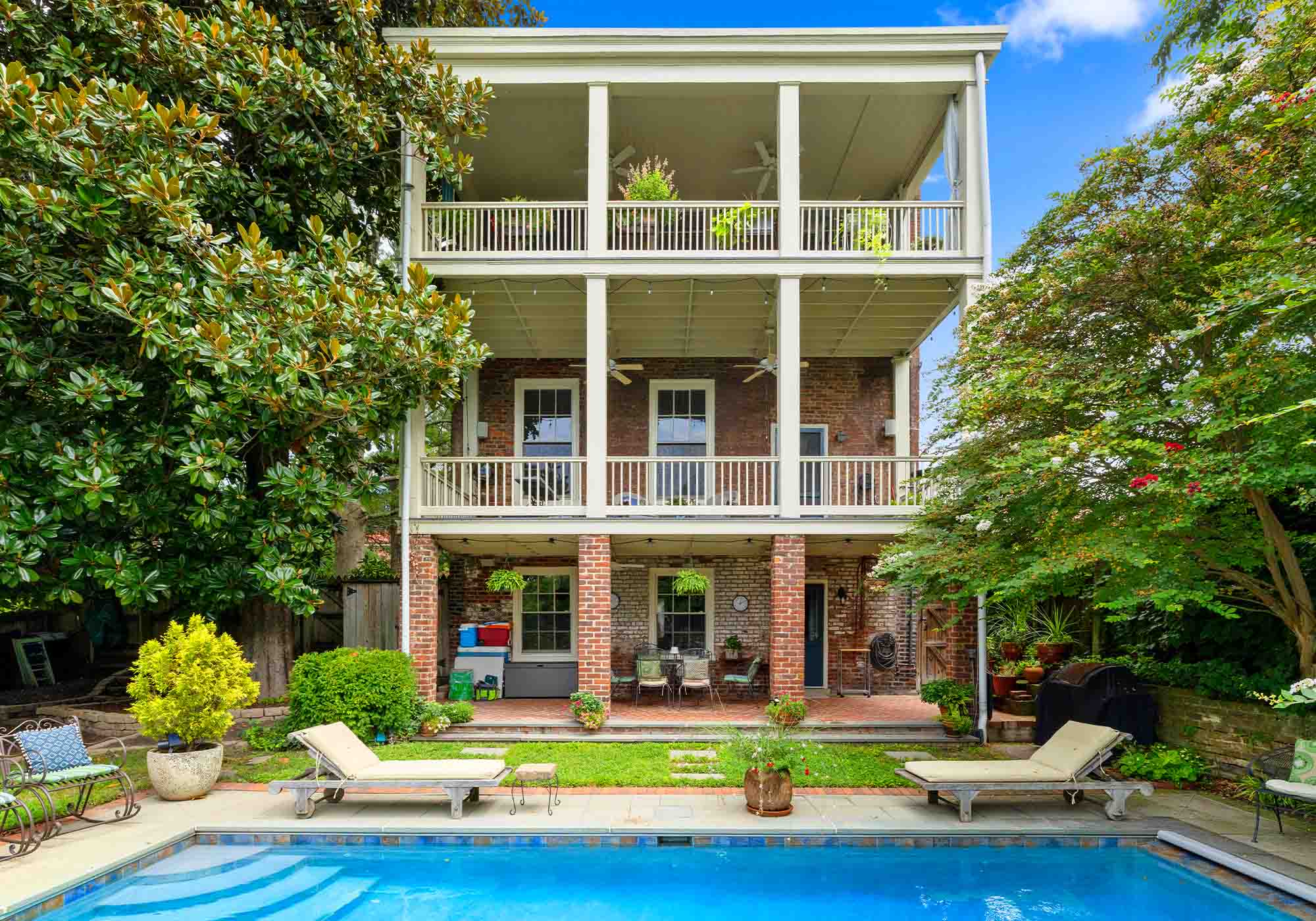
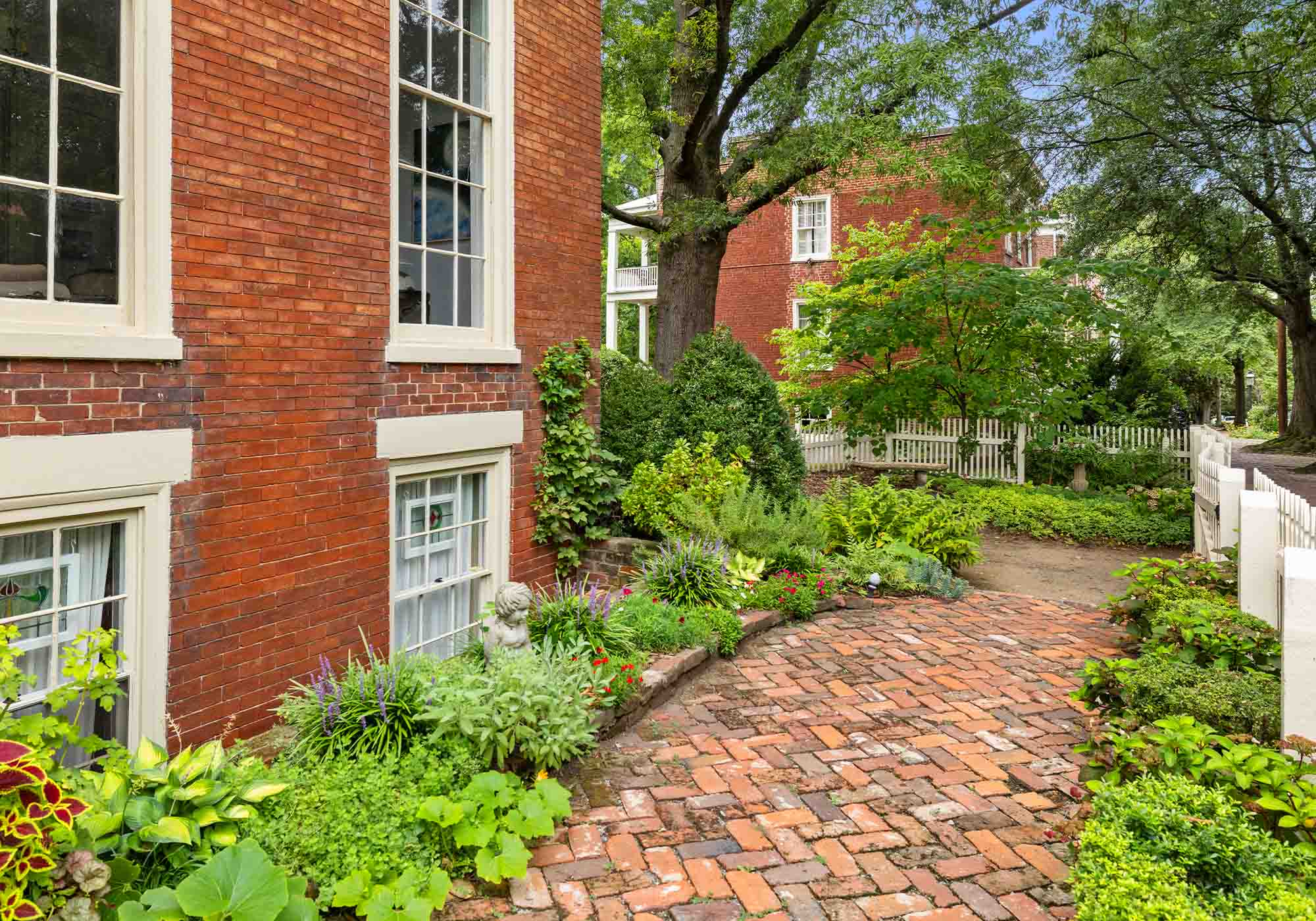
As the capital of Virginia and among the country’s oldest cities, Richmond holds a storied place in both the Revolutionary war and the Civil War. This year’s Historic Garden Week tour features four distinctive, architecturally notable neighborhoods: South Gaskins Road, Church Hill and Westhampton. Attendees of the Garden Club of Virginia’s Historic Garden Week also have the opportunity to visit the Executive Mansion and the Kent-Valentine House.


South Gaskins Road
This area reflects Richmond’s more recent growth, where suburban development expanded beyond the historic core. Once largely rural, it transformed in the late 20th century with new roads and commerce. Shopping centers and neighborhoods now define the landscape. It offers a contrast to the city’s older districts. It’s recognized for retail, residential growth and modern expansion.
Church Hill
One of Richmond’s oldest neighborhoods, Church Hill overlooks the James River with a sense of enduring history. St. John’s Church hosted Patrick Henry’s famous “Give me liberty” speech. Its streets date to the city’s earliest days. Restored homes and landmarks preserve its character. Highlights include historic churches, cobblestones and early Richmond life.
Westhampton
Westhampton reflects early suburban planning, shaped by streetcar lines and a growing city. In the early 20th century, it became a desirable residential area. Its architecture reflects that period of expansion and optimism. The nearby University of Richmond adds to its character. The area is known for historic neighborhoods, architecture and academic proximity.
Executive Mansion & Kent-Valentine House
These landmarks offer a glimpse into Richmond’s political and social history, from the governor’s residence to Gilded Age life. The Executive Mansion has housed Virginia’s governors since the early 19th century. The Kent-Valentine House, which is the headquarters of the Garden Club of Virginia, reflects the elegance of post-Civil War society. Together, they tell stories of leadership and legacy. They are known for historic preservation, architecture and political heritage.
Historic Garden Week offers a memorable chance to see Virginia’s spring landscape at its height, when gardens across the Commonwealth are in full bloom. The event also provides rare access to some of the state’s most storied private landscapes, while supporting the Garden Club of Virginia’s ongoing restoration work. Proceeds from ticket sales help preserve these historic sites. Tickets options, including individual tours and the discounted FLOWER Magazine State Pass, can be purchased online. Tickets sell out quickly for the most popular tours, so book early. You can also find the official 2026 Historic Garden Week Guidebook here.
For additional inspiration, tour the Lynchburg Home & Garden of Harlem Renaissance poet Anne Spencer, browse highlights from the 2025 Historic Garden Week and bring the garden charm home by planting Virginia favorites like lavender, wisteria and hydrangea—or even try your hand at raising backyard chickens. ~